

2025 Annual Report of Rare Disease and Orphan Drugs Journal
The year 2025 marked a solid stage in the development of Rare Disease and Orphan Drugs Journal (RDODJ; ISSN 2771-2893), with continued growth in manuscript submissions, publications, and international engagement. During the year, the journal further strengthened its editorial standards, broadened its global author base, and enhanced its visibility within the rare disease research community.
Highlights
- Indexing and metrics: Indexed in Scopus (May 2025) and the Emerging Sources Citation Index (ESCI; September 2025), with all articles now included in the Web of Science. Expected to receive its first Impact Factor in June 2026.
- Submissions and publications: Both submissions and publications increased compared with the previous year, with submissions rising by 39.1% and publications increasing by approximately 6.1%.
- Rejection rate: Increased from 48.39% in 2024 to 66.67% in 2025, reflecting stricter editorial screening and quality control.
- Author distribution: Published articles included authors from 15 countries, led by the United States (22%), Japan (16%), and China, Italy, and the Netherlands (11% each), reflecting broad international participation across North America, Europe, and Asia.
- Citations: Citations increased by 49% compared with 2024.
- Special Issues: Special Issues were published on topics including Kallmann syndrome, neurodevelopmental disorders, multi-omics insights, and translational research from animal models to clinical practice.
- Editorial Board updates: 13 new members joined the Editorial Board, including 2 Associate Editors, 9 Editorial Board Members, and 2 Youth Editorial Board Members. The Board now comprises 49 members from 14 countries/regions.
- Expert interviews: Conducted interviews with 8 researchers from leading institutions in China, Europe, Australia, and the United States.
- Editorial Board meeting: Held 1 Editorial Board meeting in October 2025, chaired by the Editor-in-Chief, Prof. Daniel Scherman.
1. Indexing and Databases
In 2025, RDODJ achieved indexing in Scopus and the Emerging Sources Citation Index (ESCI), marking an important step in the journal's development. All published articles are now included in the Web of Science. The journal is expected to receive its first Impact Factor in June 2026.
2. Submissions and Publications
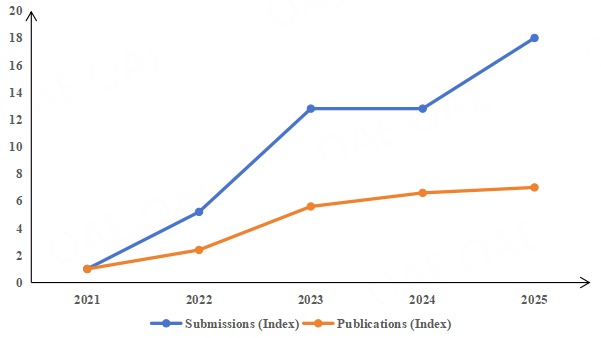
Figure 1. Submissions and Publications (2021-2025)
From 2021 to 2025, RDODJ experienced a steady increase in both submissions and publications. Using 2021 as a baseline (1.0), annual submissions rose from 1.0 in 2021 to 18.0 in 2025, while published articles increased from 1.0 to 7.0 over the same period, reflecting enhanced journal visibility and growing author confidence.
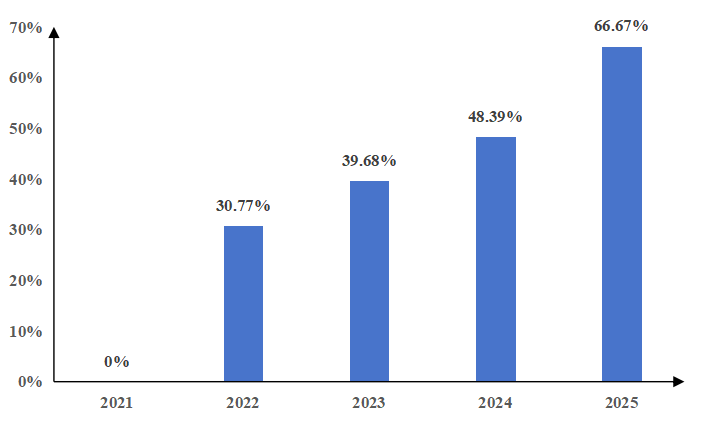
Figure 2. Rejection Rate (2021-2025)
The rejection rate increased progressively from 0% in 2021 to 66.67% in 2025, indicating the journal's continued efforts to apply rigorous peer review and maintain high academic standards.
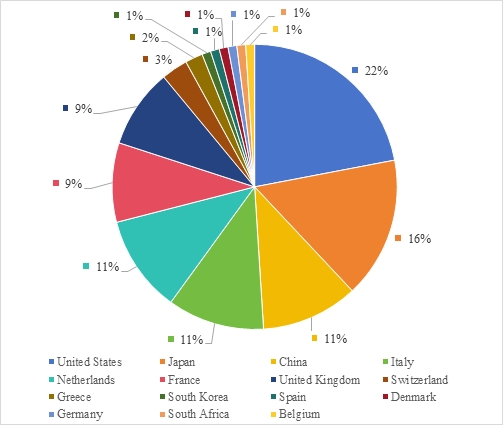
Figure 3. Country Distribution of Authors
Authors originated from 15 countries, with the largest contributions from the United States (22%), Japan (16%), and China, Italy, and the Netherlands (11% each), highlighting RDODJ's international author base.
3. Citations and Readership
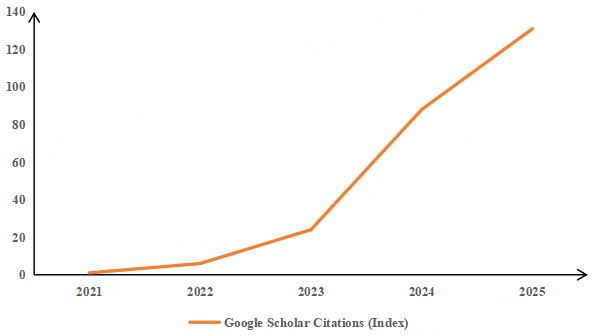
Figure 4. Citations (2021-2025, Google Scholar)
From 2021 to 2025, RDODJ experienced exponential growth in Google Scholar citations. Using 2021 as a baseline (1.0), citations increased from 1.0 in 2021 to 6.0 in 2022, 24.0 in 2023, 86.0 in 2024, and 131.0 in 2025, reflecting the journal’s rapidly rising academic impact and visibility.
Table 1. Top 10 Most-Read Articles in 2025
The ten most-read articles in 2025 covered topics including neurodevelopmental disorders, genetic therapies, and diagnostics. The articles attracted strong readership, with the most popular one focusing on Duchenne muscular dystrophy.
4. Special Issues
In 2025, RDODJ launched Special Issues covering emerging and focused topics in rare disease research, including animal models, rare genetic disorders, and translational studies. These collections were curated by internationally recognized Guest Editors and attracted strong interest from the research community.
5. Editorial Board Updates
In 2025, RDODJ expanded its Editorial Board by welcoming 13 new members, including 2 Associate Editors, 9 Editorial Board Members, and 2 Youth Editorial Board Members. The Board now consists of 49 experts from 14 countries/regions, with the largest representation from China, France, and the United States.
Table 2. Associate Editors and Editorial Board Members Appointed in 2025
| Photo | Name | Position | Institution |
|---|---|---|---|
 | Phillip D.K. Lee | Associate Editor | University of Texas Medical Branch, Galveston, TX, USA |
 | Neal J. Weinreb | Associate Editor | University of Miami School of Medicine, Boca Raton, USA |
 | Richard H. Finnell | Editorial Board Member | Baylor College of Medicine, Houston, USA |
 | Bin Lu | Editorial Board Member | University of South China, Hengyang, Hunan, China |
 | Franz Schaefer | Editorial Board Member | University Hospital Heidelberg, Heidelberg, Germany |
 | Xiaoping Luo | Editorial Board Member | Tongji Hospital, Tongji Medical College, Huazhong University of Science and Technology, Wuhan, China |
 | Ke Wu | Editorial Board Member | Union Hospital, Tongji Medical College, Huazhong University of Science and Technology, Wuhan, China |
 | Jihong Liu | Editorial Board Member | Tongji Hospital, Tongji Medical College, Huazhong University of Science and Technology, Wuhan, China |
 | Jinxiang Han | Editorial Board Member | Shandong First Medical University & Shandong Academy of Medical Sciences, Jinan, Shandong, China |
 | Kees Noordam | Editorial Board Member | Radboud University Medical Centre, Nijmegen, the Netherlands |
 | Juergen Reichardt | Editorial Board Member | James Cook University, Cairns, Australia |
 | Jingying Wu | Youth Editorial Board Member | Shanghai Sixth People's Hospital, Shanghai, China |
 | Quanjun Yang | Youth Editorial Board Member | Shanghai Sixth People's Hospital, Shanghai, China |
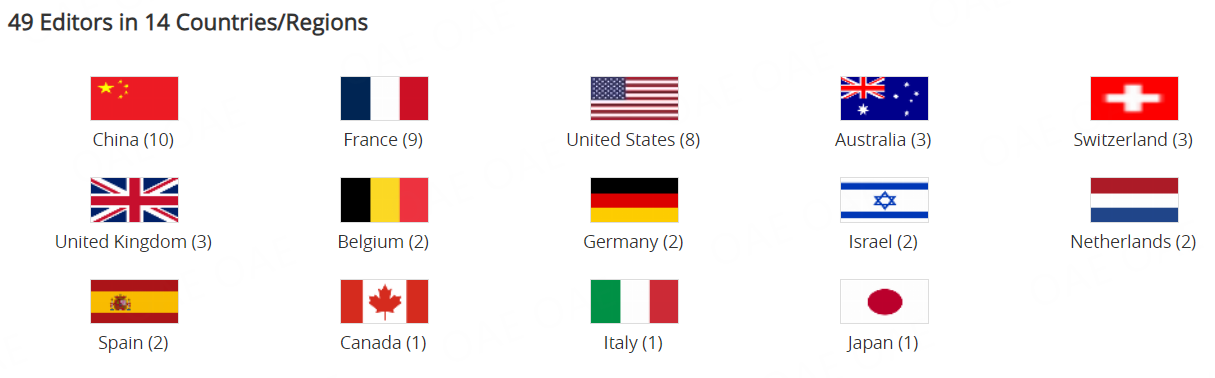
Figure 5. Distribution of Editorial Board Members by Country/Region
6. Expert Interviews
In 2025, RDODJ conducted expert interviews with eight researchers from leading institutions, including universities and research networks in China, Italy, Greece, Australia, France, the United Kingdom, Ibero-America, and the United States. These interviews promoted scholarly exchange and provided perspectives on emerging research trends.








Figure 6. Expert Interviews in 2025
7. Editorial Board Meeting
Under the leadership of Editor-in-Chief Prof. Daniel Scherman, RDODJ successfully held an Editorial Board meeting in October 2025. Board members reviewed journal performance, discussed editorial policies, and exchanged views on future development strategies.
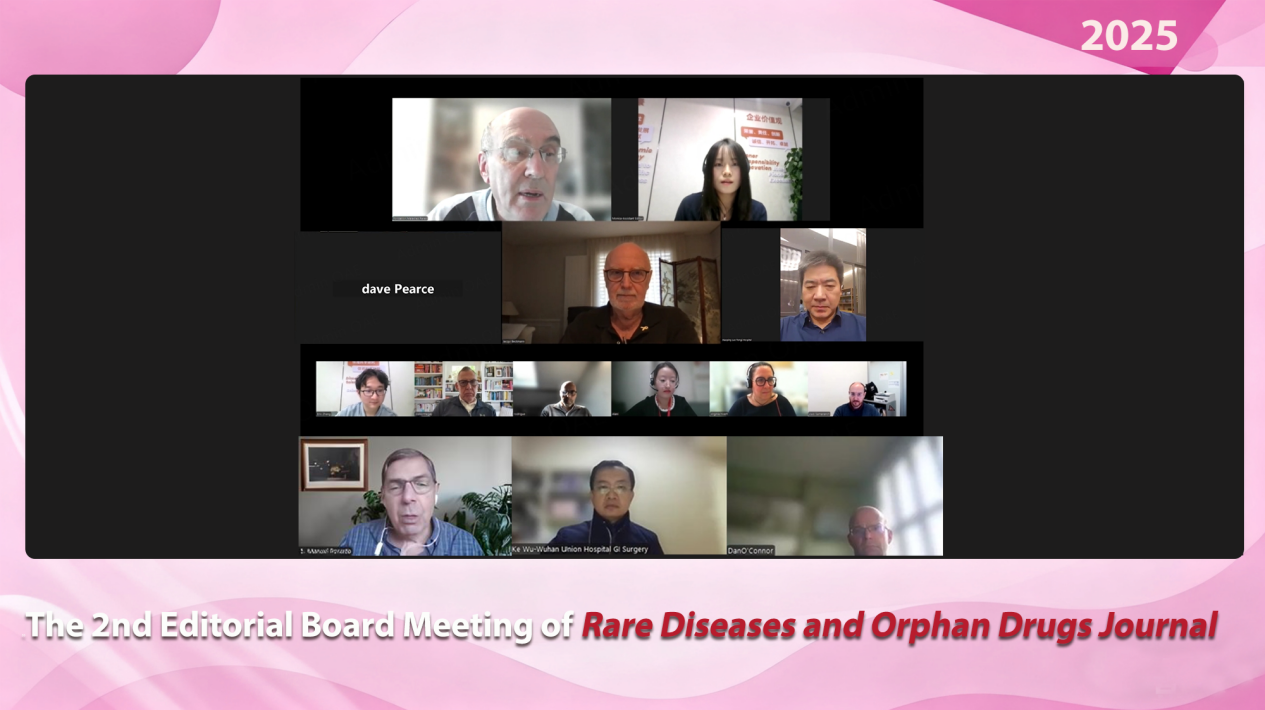
Figure 7. Online Editorial Board Meeting in 2025
Acknowledgments
Overall, 2025 represents a year of steady progress for RDODJ. With improved editorial selectivity, expanded international participation, growing citation activity, and enhanced indexing coverage, RDODJ continues to develop as a credible platform for rare disease research. We sincerely thank all Editorial Board members, authors, reviewers, readers, and editorial staff for their contributions and look forward to further strengthening the journal's academic contribution in the years ahead.
Editor: Alani Luo
Editor: Monica
Language Editor: Catherine Yang
Production Editor: Ting Xu
Respectfully Submitted by the Editorial Office of Rare Disease and Orphan Drugs Journal