


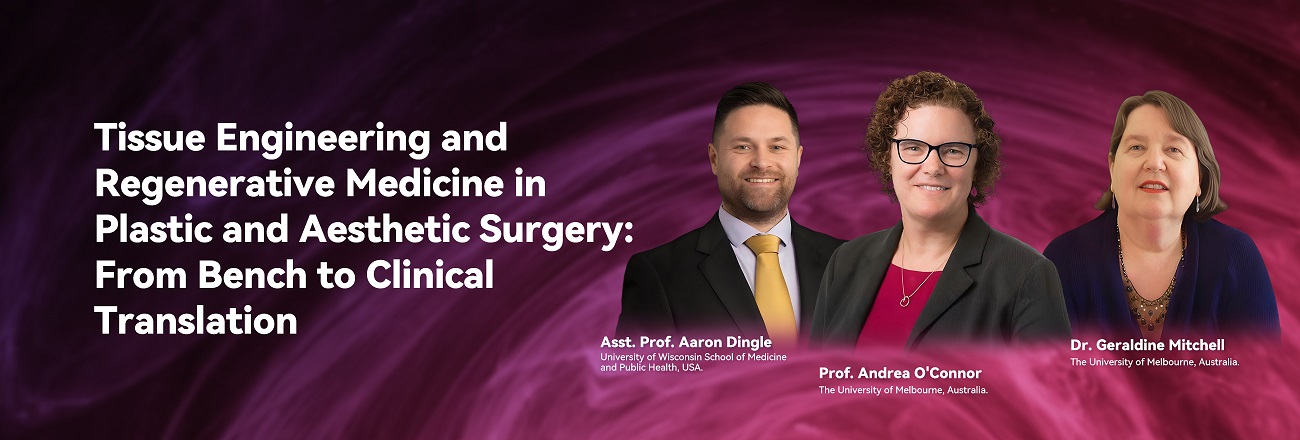
Tissue Engineering and Regenerative Medicine in Plastic and Aesthetic Surgery: From Bench to Clinical Translation
Contents
Chair
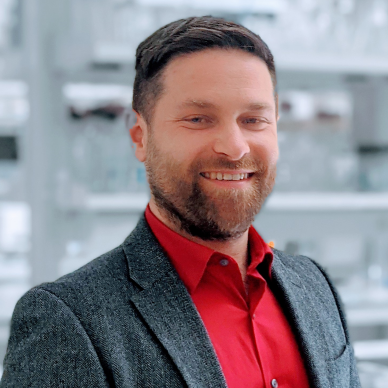
Asst. Prof. Aaron Dingle
Division of Plastic Surgery, University of Wisconsin School of Medicine and Public Health, Madison, WI, USA.
Biography:
Asst. Prof. Aaron Dingle is a Faculty Scientist and Co-Director of the Microsurgery and Regenerative Medicine (MSRM) Laboratory in the Department of Surgery, University of Wisconsin School of Medicine and Public Health, Division of Plastic Surgery. He serves as a Youth Editorial Board Member of Plastic and Aesthetic Research Journal.
Asst. Prof. Aaron Dingle has a Ph.D in tissue engineering from the University of Melbourne, Australia. His research focuses on restoring/replacing limb function for persons living with amputation. Dr. Dingle manages a board and comprehensive federally funded research portfolio that includes neural interfacing for prosthetic control and bioelectric medicine, repair and regeneration of nerves, tendons and bone, as well as preservation and transplantation of vascular composite allografts.
Asst. Prof. Aaron Dingle is a Faculty Scientist and Co-Director of the Microsurgery and Regenerative Medicine (MSRM) Laboratory in the Department of Surgery, University of Wisconsin School of Medicine and Public Health, Division of Plastic Surgery. He serves as a Youth Editorial Board Member of Plastic and Aesthetic Research Journal.
Asst. Prof. Aaron Dingle has a Ph.D in tissue engineering from the University of Melbourne, Australia. His research focuses on restoring/replacing limb function for persons living with amputation. Dr. Dingle manages a board and comprehensive federally funded research portfolio that includes neural interfacing for prosthetic control and bioelectric medicine, repair and regeneration of nerves, tendons and bone, as well as preservation and transplantation of vascular composite allografts.
Speaker(s)
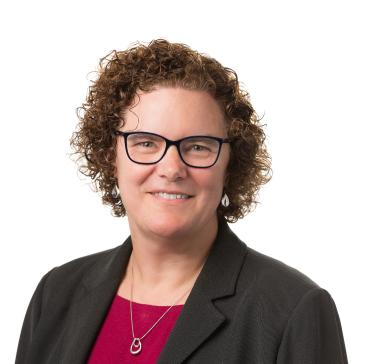
Prof. Andrea O'Connor
Department of Biomedical Engineering, Graeme Clark Institute, The University of Melbourne, Parkville, Victoria, Australia.
Topic: Engineering Blood Vessels and Vascularized Tissues: Key Steps Towards Clinical Translation of Tissue Engineering
Topic: Engineering Blood Vessels and Vascularized Tissues: Key Steps Towards Clinical Translation of Tissue Engineering
Biography:
Professor Andrea O'Connor, PhD, FIChemE, FBSE is the Shanahan Chair in Frontier Medical Solutions and a Redmond Barry Distinguished Professor at the University of Melbourne and the Aikenhead Centre for Medical Discovery. She is a co-Director of the Victorian Medtech Skills and Device Hub and leads the Tissue Engineering Group in the Department of Biomedical Engineering. Her research focuses on design, synthesis and fabrication of biomaterials, development of antimicrobial nanomaterials, and scale-up of tissue engineering. She was a Fulbright Scholar at Massachusetts Institute of Technology, was awarded the ASBTE Award for Research Excellence in 2022 and was appointed a Fellow of Biomaterials Science and Engineering in 2024. She has co-authored over 120 research journal articles and teaches biomedical engineering subjects including Tissue Engineering and Stem Cells. Prof. O’Connor collaborates with clinicians, scientists, hospitals, medical research institutes and medical device companies to address unmet clinical needs.
Professor Andrea O'Connor, PhD, FIChemE, FBSE is the Shanahan Chair in Frontier Medical Solutions and a Redmond Barry Distinguished Professor at the University of Melbourne and the Aikenhead Centre for Medical Discovery. She is a co-Director of the Victorian Medtech Skills and Device Hub and leads the Tissue Engineering Group in the Department of Biomedical Engineering. Her research focuses on design, synthesis and fabrication of biomaterials, development of antimicrobial nanomaterials, and scale-up of tissue engineering. She was a Fulbright Scholar at Massachusetts Institute of Technology, was awarded the ASBTE Award for Research Excellence in 2022 and was appointed a Fellow of Biomaterials Science and Engineering in 2024. She has co-authored over 120 research journal articles and teaches biomedical engineering subjects including Tissue Engineering and Stem Cells. Prof. O’Connor collaborates with clinicians, scientists, hospitals, medical research institutes and medical device companies to address unmet clinical needs.
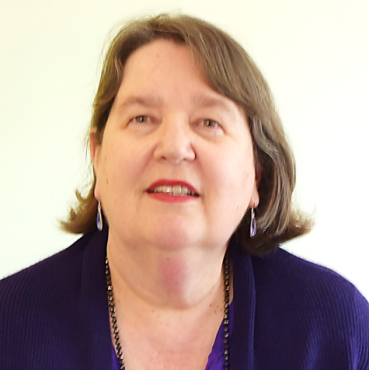
Dr. Geraldine Mitchell
Lab Head Vascular Biology, O’Brien Institute Department of St Vincent's Institute of Medical Research, Melbourne, Australia.
University of Melbourne, Department of Surgery, St Vincent's Hospital, Melbourne, Australia.
Topic: Bio-Engineering Human Blood Vessels and Skin
University of Melbourne, Department of Surgery, St Vincent's Hospital, Melbourne, Australia.
Topic: Bio-Engineering Human Blood Vessels and Skin
Biography:
Dr. Geraldine Mitchell is a leading researcher in vascular biology and regenerative tissue engineering with particular interest in bio-engineering capillary networks.
Her current research focuses on replacing traditional skin flaps used in reconstructive surgery by utilizing human induced pluripotent stem cells (hiPSCs) to derive the necessary cell types for skin and blood vessels and assembling these tissues in vitro for in vivo applications. Current research in her lab investigates improved methods of blood vessel growth and integration for engineering human tissues and organs in the laboratory, as well as for wound-healing in a living animal model.
She formerly served as the Advanced Medical Science Coordinator and Student Coordinator at the O’Brien Institute, The University of Melbourne, and as the Director of AORTEC (Regenerative Tissue Engineering Centre) at the Australian Catholic University.
Dr. Geraldine Mitchell is a leading researcher in vascular biology and regenerative tissue engineering with particular interest in bio-engineering capillary networks.
Her current research focuses on replacing traditional skin flaps used in reconstructive surgery by utilizing human induced pluripotent stem cells (hiPSCs) to derive the necessary cell types for skin and blood vessels and assembling these tissues in vitro for in vivo applications. Current research in her lab investigates improved methods of blood vessel growth and integration for engineering human tissues and organs in the laboratory, as well as for wound-healing in a living animal model.
She formerly served as the Advanced Medical Science Coordinator and Student Coordinator at the O’Brien Institute, The University of Melbourne, and as the Director of AORTEC (Regenerative Tissue Engineering Centre) at the Australian Catholic University.
Programme
Programme
| Time: 12:30 pm - 2:00 pm, Melbourne, Australia (UTC +11) | Speakers | Topics |
|---|---|---|
| 12:30-12:45 | Asst. Prof. Aaron Dingle | Welcome and Journal Introduction |
| 12:45-1:15 | Prof. Andrea O'Connor | Engineering Blood Vessels and Vascularized Tissues: Key Steps Towards Clinical Translation of Tissue Engineering |
| 1:15-1:20 | All | A Panel Discussion |
| 1:20-1:50 | Dr. Geraldine Mitchell | Bio-Engineering Human Blood Vessels and Skin |
| 1:50-1:55 | All | A Panel Discussion |
| 1:55-2:00 | Asst. Prof. Aaron Dingle | Summary |