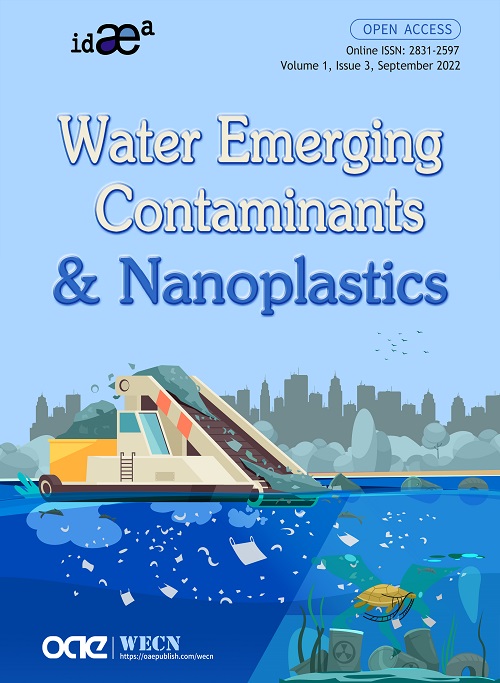
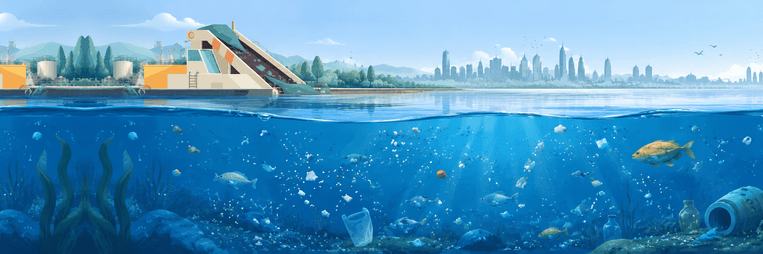
Water Emerging Contaminants & Nanoplastics
About the journal
Water Emerging Contaminants & Nanoplastics is an open-access international journal intended to publish peer-reviewed, original research on pollutants of emerging concern in both the natural and anthropogenic water cycles and their effects on the ecosystems (aquatic and terrestrial environments, atmospheric environment, etc.) and human health. The journal publishes research articles, reviews, systematic reviews, short communications, commentaries, editorials, letters to the Editor and perspectives.
Subject areas of specific interest include, but are not limited to:

- Studies of any aspect related to the occurrence, partition, transport, fate, and effects of the different families of emerging contaminants, such as pharmaceuticals, personal-care products, UV-filters, pesticides, flame retardants, perfluorinated compounds and other industrial chemicals, disinfection by-products, persistent organic pollutants, endocrine disruptors, as well as, their metabolites and environmental transformation products.
- Novel analytical methods, including new data treatment approaches (chemometric studies), suspect and non-target screening methods.
- Novel sampling methods (use of passive sampling devices etc.).
- New emerging contaminants.
- Modeling studies on the occurrence, partition, transport, and fate of emerging contaminants in the aquatic environment (surface and groundwater), including the different involved phases and their validation using field data.
- Studies about microplastics/nanoplastics, and other related contaminants (nanomaterials, nanocomposites). These include, among others, the preparation of sample protocols, analytical determinations in different environmental compartments /matrixes, transport, fate, toxicity, and effects on the ecosystems (aquatic and terrestrial environments, atmospheric environment, etc.) and human health.
- Studies (field, mesocosm, microcosm) combine the occurrence and effects of emerging contaminants with other disciplines such as biology, ecology, genomics, hydrology, hydromorphology, etc.
- Studies related to the joint effects of water pollution by emerging contaminants and other environmental stressors on the receiving ecosystems.
- Studies related to the combined effects of water pollution by emerging contaminants and global change (climate change, hydrologic alteration, and land-use changes).
- Risk assessment studies of emerging contaminants related to both human health and the ecosystem.
- Studies on contaminant (bio)monitoring and their environmental effects, such as the generation of resistance (antibiotic resistance genes, etc.), potential spread of pathogens and alterations on microbial diversity.
- Metabolomic studies related to the response of aquatic living organisms to exposure to emerging contaminants and/or microplastics/nanoplastics.
- Studies of environmental proteomics and transcriptomics.
- “One Health” approaches. Epidemiological studies on the effects of chemicals on human and ecosystem health.
- Studies of advanced treatment methods used along the anthropogenic water cycle (i.e., drinking and wastewater treatment) for the elimination of emerging contaminants.
- Studies related to new regulatory and policy aspects of broad concern related to the occurrence and effects of pollution by emerging contaminants and their mixtures in the water environment.
The following types of submissions are discouraged and will be not likely considered:
- Routine monitoring surveys of emerging contaminants and/or microplastics/nanoplastics considered primarily of local or regional interest unless they involve any novel methodological or multidisciplinary approach.
- Studies on microplastics/nanoplastics lacking minimum harmonization. Minimum quality criteria should include:
- Sampling and sample preparation protocols.
- Polymer composition performed using appropriate techniques, like micro-Fourier-transform infrared reflectance spectroscopy (micro-FTIR), Raman spectroscopy, and/or Pyrolysis Gas Chromatography/Mass Spectrometry (Pyrolysis-GC-MS). Microscopic or visual inspection techniques are not considered sufficient.
- Size ranges and shapes of the particles analyzed.
- Results expressed in appropriate units like items/m3 (water) or items/kg (sediments), so that they can be compared with other published studies.
- Quality control data like limits of detection and quantification (LoD/LoQ) of the analytical methods employed.
- Studies must have an adequate sample size and require a minimum number of three replicates.
- Studies of well-known chemical agents, such as legacy pollutants, nutrients, or metals, unless these include substantial advances in knowledge.
- Studies of natural contaminants (i.e., natural toxins, etc.).
- Laboratory ecotoxicological studies of emerging contaminants using environmental non-relevant exposure concentrations.
- Papers lacking substantial novelty that does not contribute significant new knowledge.
- This journal does not allow the use of AI tools to generate text, graphics, images or data.
Search Water Emerging Contaminants & Nanoplastics
Pollution status of microplastics in the freshwater environment of China: a mini review
Microplastics in water, from treatment process to drinking water: analytical methods and potential health effects
High-mountain lakes as indicators of microplastic pollution: current and future perspectives
Microplastics as carriers of per- and polyfluoroalkyl substances (PFAS) in aquatic environment: interactions and ecotoxicological effects
Water Emerging Contaminants & Nanoplastics
Editors-in-Chief: Daoji Li, Joana C Prata
Indexing: Scopus, CAS, Lens
Median time to first editorial decision: 8 days
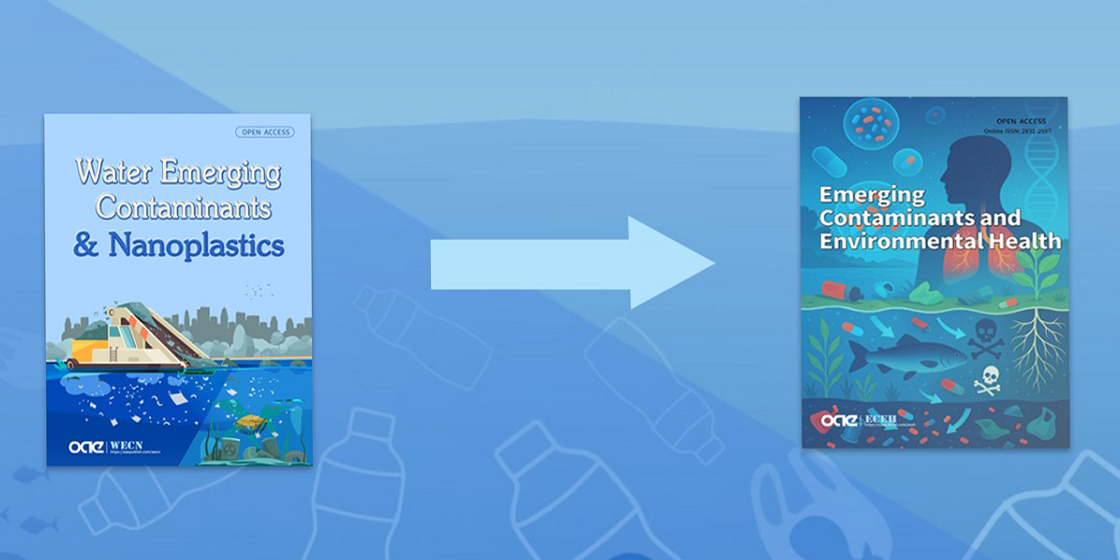
Understanding the leaching of plastic additives and subsequent risks to ecosyste...
Carbon-based adsorbents for micro/nano-plastics removal: current advances and pe...
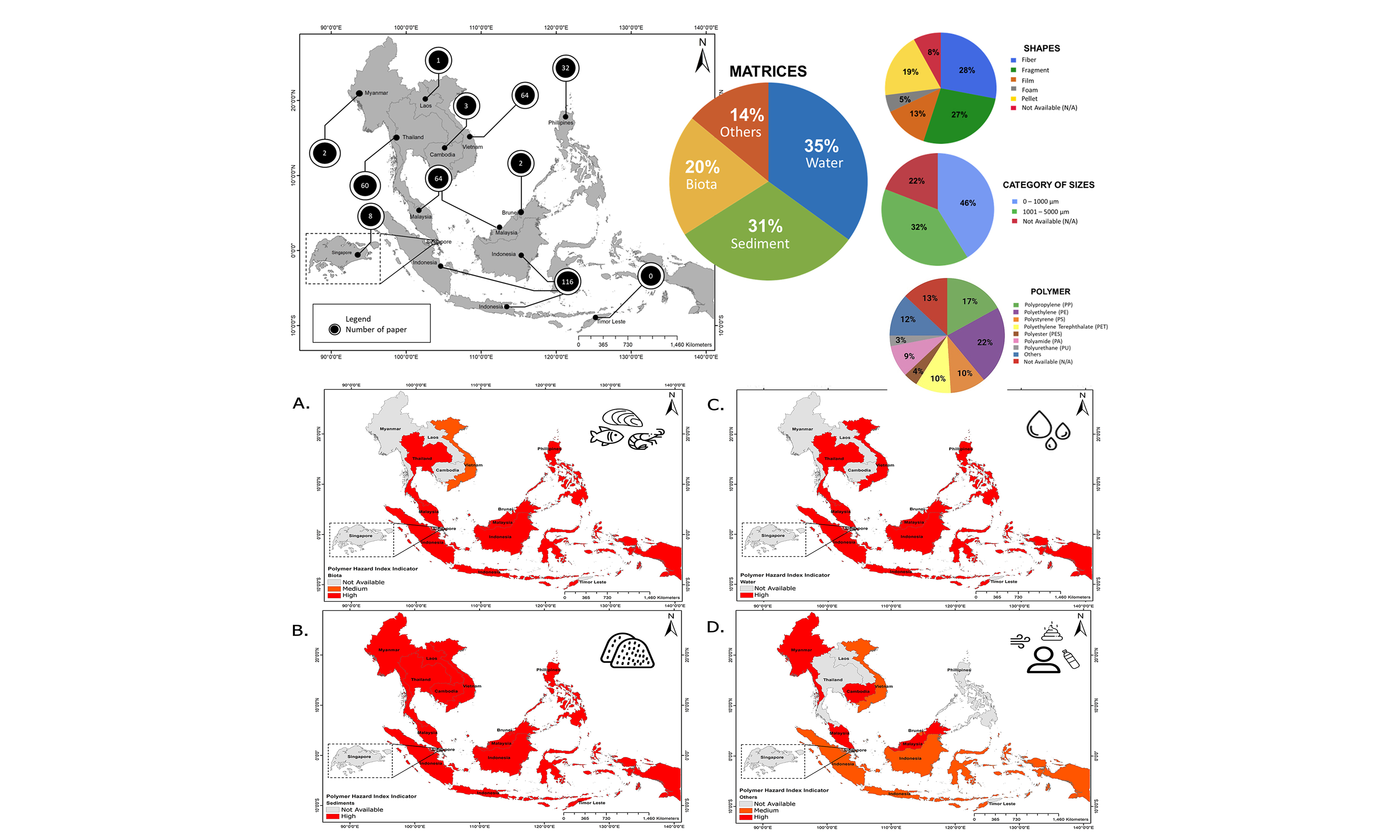
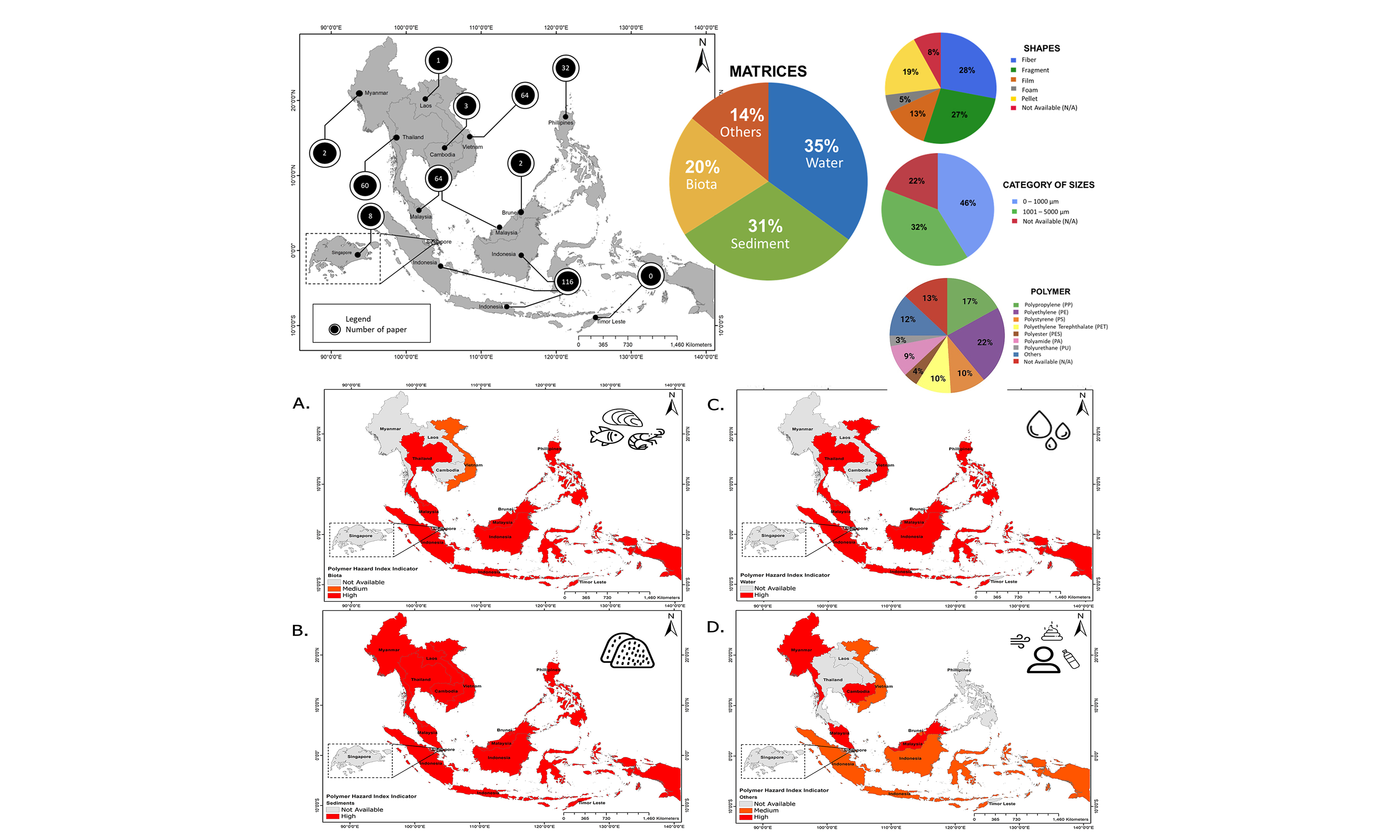
A review on the presence of microplastics in environmental matrices within South...
How plastic waste management affects the accumulation of microplastics in waters...
Topic: Emerging Organic Contaminants in Water and Wastewater: Occurrence and Remediation
Submission Deadline: 10 Aug 2025 Published articles: 0
Topic: Innovative Approaches to Sustainable Food Systems: Microplastics, Biotechnology, and Valorization of Marine By-Products
Submission Deadline: 15 Jul 2025 Published articles: 0


.png)


-20240402.png)